Prolonged conflict in Middle East continues to weigh on Chinese steel export demand, with buyers hesitant to book due to high freight rates and logistical uncertainty Steel export loading volumes at Chinese ports totaled 8.58 million metric tons over March 1-25, down 3% year over year, according to data from S&P Global Commodities at Sea.
However, cargoes loaded for shipments to the Middle East fell by 19% over the same period, the data showed.
For all vessels loaded in China over March 1-25, all statuses showed “in transit”, with the earliest departed vessel from Zhangjiagang having arrived at Sohar, Oman, on March 22.
“Theoretically, vessels can go to Oman as it is out of the Strait of Hormuz,” said a Singapore-based trader. “There were vessels bound for the Middle East, but [got rerouted] and then have remained bonded at Indian ports for the moment.”
Due to logistical uncertainties, many shippers have not quoted freight rates to Middle East, according to several regional traders.
For shipments to other regions, freight rates were also heard to have risen by $7-$10/mt compared with late February. Since freight costs have risen, buyers will find it hard to keep up with the latest price movements.
Concurrently, steel prices in China have also risen amid higher raw material costs. Chinese mill and trader sources agreed that more inquiries from overseas have come in, though few resulted in a firm bid or deal.
Many traders were hesitant to take orders, as they knew volatile freight rates could eat into their margins.
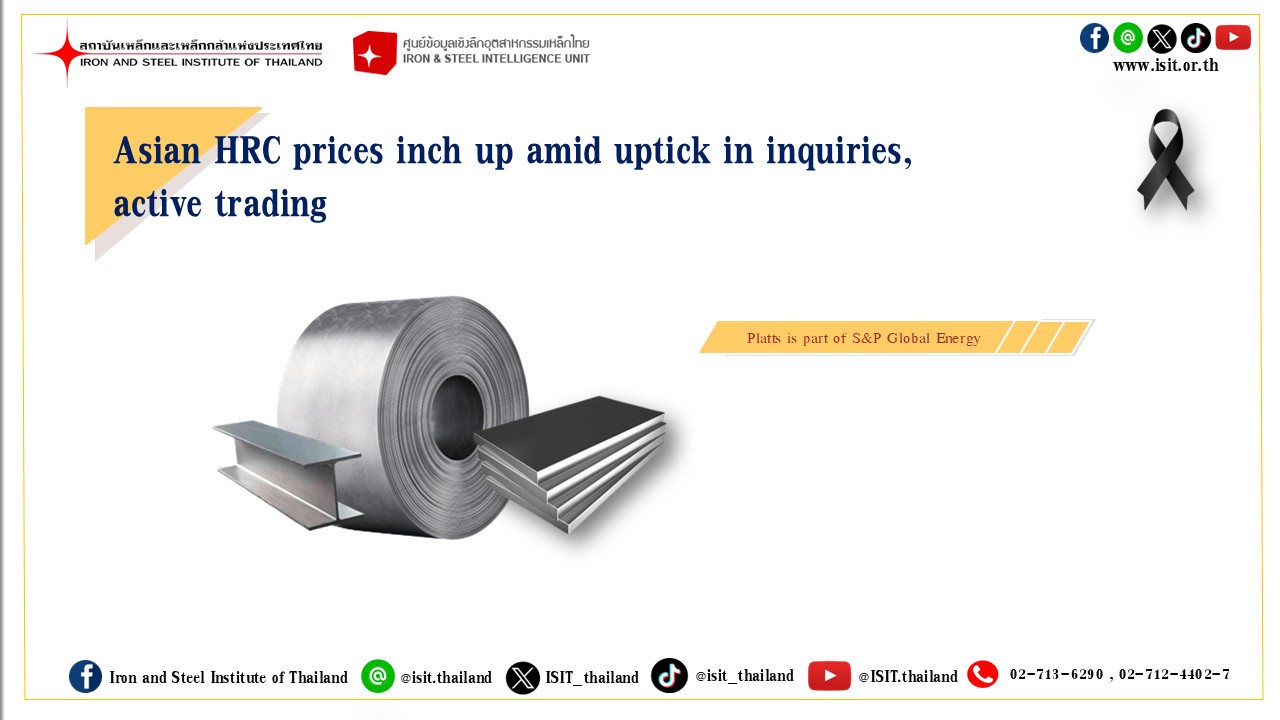
For offers on a CFR Vietnam basis, Chinese Q235 grade coils were heard at $525/mt on March 25, up by $40/mt from the end of February.
Over the same period, Platts, part of S&P Global Energy, assessed HRC SS400 FOB China up $14/mt at $480/mt on March 25.